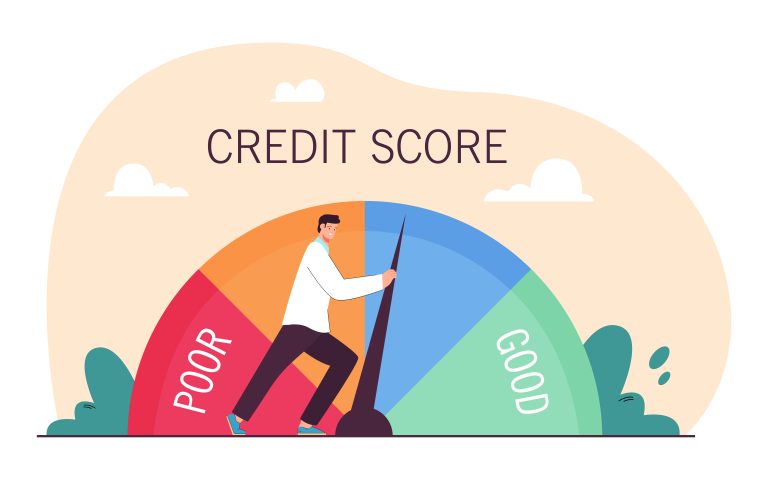

Your credit score influences nearly every aspect of your financial life in the United States. It affects your ability to secure a mortgage, qualify for personal loans, lease a car, obtain business funding, and even get approved for certain jobs or rental agreements. A poor credit score can cost you thousands of dollars in higher interest rates and missed financial opportunities.
This updated 2025 guide explains how to improve your credit score fast, using proven, regulatory-compliant methods used by credit professionals nationwide. Whether you’re starting from scratch, rebuilding after a financial setback, or simply trying to optimize your score for better lending terms, this comprehensive guide will help you move forward with clarity and confidence.
- Understand the Credit Score System (How Scores Are Calculated)
In the U.S., credit scores are primarily generated by two models:
- FICO® Score (used by 90% of lenders)
- VantageScore®
Both range from 300 to 850, and both evaluate similar categories of credit behavior:
FICO Score Breakdown
| Factor | Weight | Description |
|---|---|---|
| Payment History | 35% | On-time vs late payments |
| Credit Utilization | 30% | Percentage of credit used |
| Length of Credit History | 15% | Average age of accounts |
| Credit Mix | 10% | Variety of credit lines |
| New Credit | 10% | Recent inquiries and accounts |
Understanding these factors allows you to focus on the credit-building activities that produce the fastest improvements.
2. Pull Your Credit Reports — Completely Free
You are entitled to one free credit report per year from each bureau through:
👉 AnnualCreditReport.com (the only official source)
Your credit report includes all major accounts, payment history, collections, derogatory marks, and inquiries. It does not include your actual score — just the data used to calculate it.
What to Check For:
- Incorrect late payments
- Accounts that don’t belong to you
- Duplicate accounts
- Paid-off collections that still show as unpaid
- Identity theft indicators
- Outdated negative items (older than 7 years)
Over 34% of Americans discover at least one error — and correcting it can immediately raise your score.
3. Dispute Inaccurate Information (Fastest Score Boost)
If you find incorrect or outdated information, dispute it immediately. Under the Fair Credit Reporting Act (FCRA), bureaus must investigate disputes within 30 days.
You (or your credit repair professional) can dispute through:
- The credit bureau directly (Experian, Equifax, TransUnion)
- Certified mail
- A licensed credit repair service
Items You Can Dispute:
- Incorrect late payments
- Bankruptcy filed in error
- Fraudulent accounts
- Collections reported incorrectly
- Incorrect account balances
- Inaccurate personal information
A successful dispute can raise your score by 20–100 points depending on the severity.
4. Reduce Your Credit Utilization Ratio (CUR)
Utilization impacts 30% of your entire score.
Recommended Targets:
- Below 30% (minimum for improvement)
- Below 10% (ideal for excellent credit)
If your credit limit is $5,000 and you carry a $2,000 balance, your utilization is 40% — too high.
Strategies to Lower CUR Quickly:
- Pay down credit card balances
- Request a credit limit increase
- Shift balances across cards
- Use personal loans to consolidate revolving debt
- Pay twice per month to reduce reporting balance
This alone may cause a score increase within 30 days.
5. Avoid New Hard Inquiries
Each hard inquiry can drop your score by 5–10 points.
Multiple inquiries within a short period can signal financial instability.
Avoid:
- Applying for multiple credit cards
- Applying for loans you may not qualify for
- Checking rates with lenders who require a hard pull
Note: Rate-shopping for auto or mortgage loans within 14–45 days is treated as one inquiry.
6. Add Positive Credit Tradelines
Positive payment history accounts for 35% of your score.
Ways to build it:
- Experian Boost (adds utility & phone payments)
- Secured credit cards
- Credit-builder loans
- Rent-reporting services
- Authorized user accounts
Be cautious:
Authorized user accounts help only when the primary account has perfect payment history and low utilization.
7. Handle Collections Correctly
Not all collections should be paid immediately.
The wrong move can lower your score.
Two Important Rules:
- Don’t acknowledge the debt until it’s validated
- Never pay without a written agreement
Options:
- Validation of debt
- Pay-for-delete negotiation
- Goodwill deletions
- Professional negotiation assistance
8. Build Strong Credit Over Time
Long-term credit strength comes from:
- Keeping accounts open
- Maintaining low balances
- Paying everything on time
- Avoiding unnecessary credit
A strong profile typically contains:
- 3+ open tradelines
- 1–2 installment accounts
- Low utilization
- No new derogatory marks
Conclusion
Improving your credit score doesn’t have to take years. With the right combination of disputes, utilization management, strategic borrowing, and positive payment reporting, you can accelerate your progress and restore financial confidence.
Need Help Improving Your Credit?
Hopewell Financial Services offers professional credit repair solutions designed to help you achieve results faster and more effectively.
Book your consultation today.